Listening as the First Step
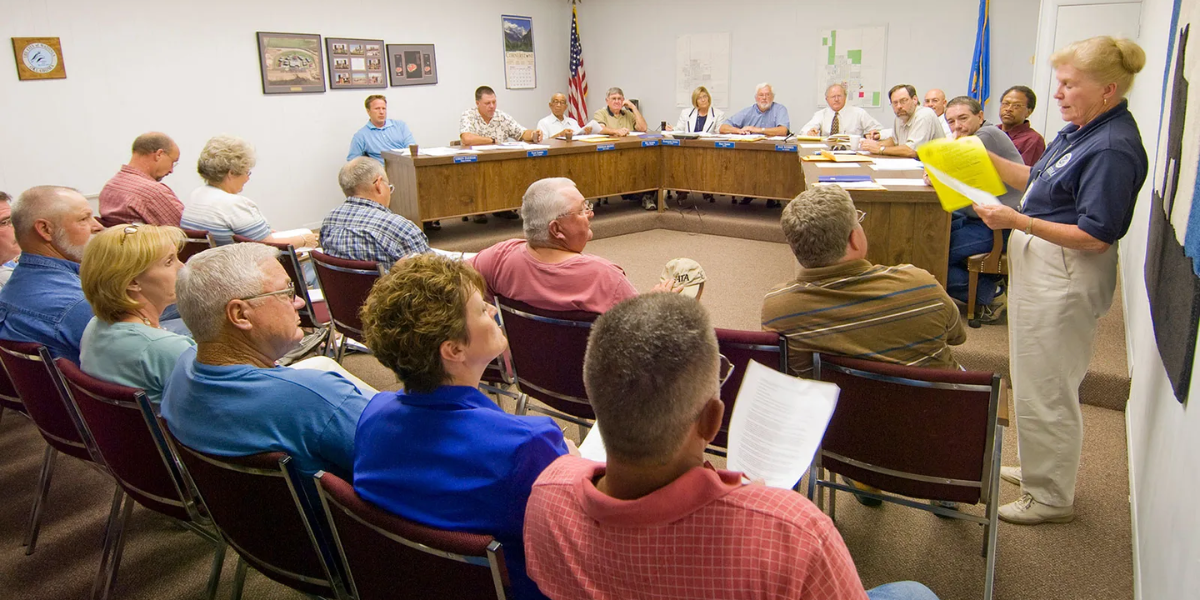
Responding effectively to local needs begins with listening. The parish council places strong importance on understanding the concerns, ideas, and priorities of residents. Feedback may be shared through emails, conversations, public meetings, or formal correspondence. Each concern, whether large or small, helps the council build a clearer picture of what matters most to the community. Listening ensures that decisions are grounded in real experiences rather than assumptions.
Identifying Common Themes
While some concerns are specific to individual situations, others reflect broader patterns affecting many residents. The parish council reviews feedback to identify common themes such as access issues, environmental care, traffic safety, or service-related matters. Recognising these shared concerns allows the council to focus efforts where they will have the greatest benefit and ensures that responses are aligned with community priorities.
Balancing Immediate and Ongoing Needs
Local concerns often vary in urgency. Some issues require immediate attention, while others involve longer-term planning. The parish council works to balance these demands by addressing urgent matters promptly while also developing strategies for ongoing or complex issues. This approach helps ensure that short-term needs are met without losing sight of long-term community wellbeing.
Working Within Available Resources
Responding to local needs requires careful consideration of available resources. Parish councils operate within defined budgets and responsibilities, which influence what can be achieved and how quickly. The council prioritises actions based on impact, feasibility, and available funding. Clear communication about these constraints helps residents understand why some issues may take time to resolve.
Collaborating With External Authorities
Many local concerns involve responsibilities shared with or managed by external organisations, such as district or county councils. In these cases, the parish council acts as an advocate for residents, raising issues, seeking clarification, and following up on progress. Collaboration ensures that local voices are represented and that concerns are addressed through the appropriate channels.
Providing Clear and Honest Updates
Transparency is a key part of responding to concerns. The parish council aims to provide clear updates on actions taken, progress made, and next steps. Even when an issue cannot be resolved immediately, honest communication reassures residents that their concerns are being considered. Regular updates help manage expectations and reduce uncertainty.
Encouraging Resident Participation
Community involvement strengthens the council’s ability to respond effectively. Residents are encouraged to take part in consultations, attend meetings, or share feedback when opportunities arise. Participation helps ensure that a range of perspectives is considered and that responses reflect the needs of the wider community. Engaged residents play an important role in shaping solutions.
Adapting to Changing Circumstances
Local needs and concerns are not static. Changes in regulations, environmental conditions, or community demographics can introduce new challenges. The parish council remains attentive to these changes and adapts its approach as needed. Flexibility allows the council to respond proactively rather than reactively, supporting a resilient and responsive community.
Learning From Experience
Past experiences provide valuable lessons for future responses. The parish council reflects on what has worked well and where improvements can be made. Learning from previous actions helps refine processes, improve communication, and strengthen relationships with residents and partner organisations. Continuous improvement supports more effective responses over time.
Maintaining Fairness and Consistency
Fairness is essential when responding to local concerns. The parish council aims to consider all issues objectively and apply consistent principles when making decisions. This approach ensures that responses are balanced and that no single concern is addressed at the expense of others without careful consideration. Consistency helps build trust and confidence in parish governance.
Looking Ahead With Confidence
The parish council’s response to local needs and concerns is an ongoing process shaped by communication, collaboration, and commitment. By listening carefully, prioritising effectively, and communicating openly, the council works to support a community where residents feel heard and valued.
As new challenges arise, the council remains focused on responding thoughtfully and responsibly. Through continued engagement and transparent action, the parish council aims to meet local needs in a way that supports both present concerns and future wellbeing.