Understanding the Importance of Local Decisions
Local decisions made by the parish council can have a direct and lasting impact on residents and the surrounding area. These decisions often relate to practical matters such as the use of shared spaces, responses to consultations, local priorities, and representation of community interests. While some outcomes may appear small, together they shape how the parish functions and how residents experience everyday life.
Understanding recent council decisions helps residents stay informed and confident about local governance. Clear communication ensures that decisions are not seen in isolation but as part of a broader effort to support the wellbeing of the parish.
How Decisions Are Reached
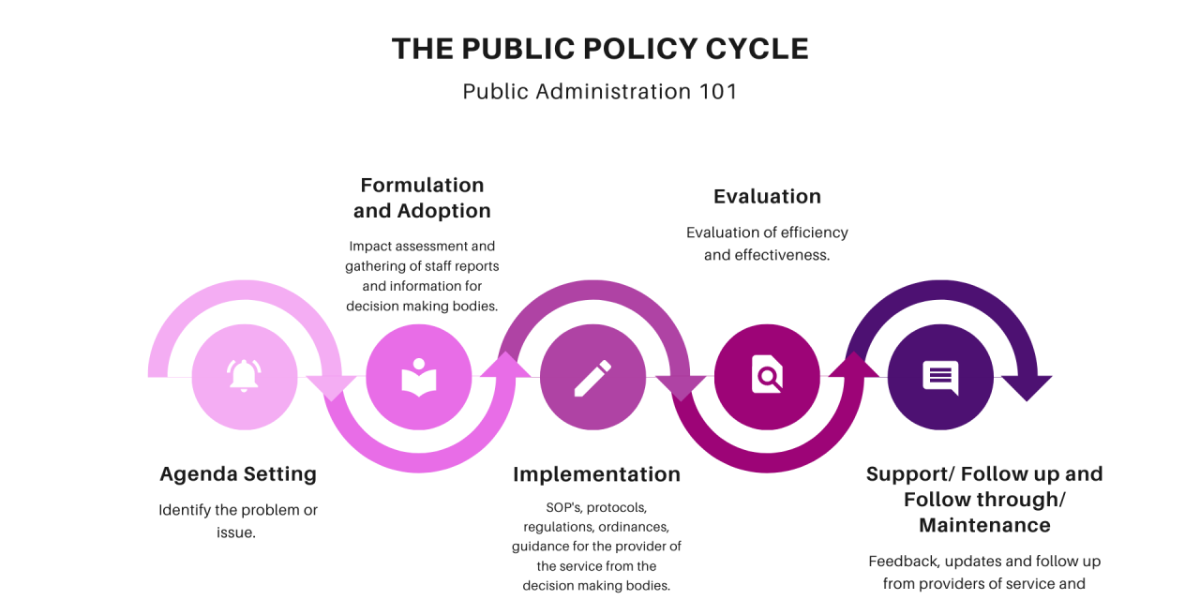
Parish council decisions are reached through discussion, consideration of available information, and reference to relevant policies or guidance. Councillors review issues raised by residents, consult with external authorities where required, and assess the potential impact on the community. This process helps ensure that decisions are balanced, fair, and made in the best interests of the parish.
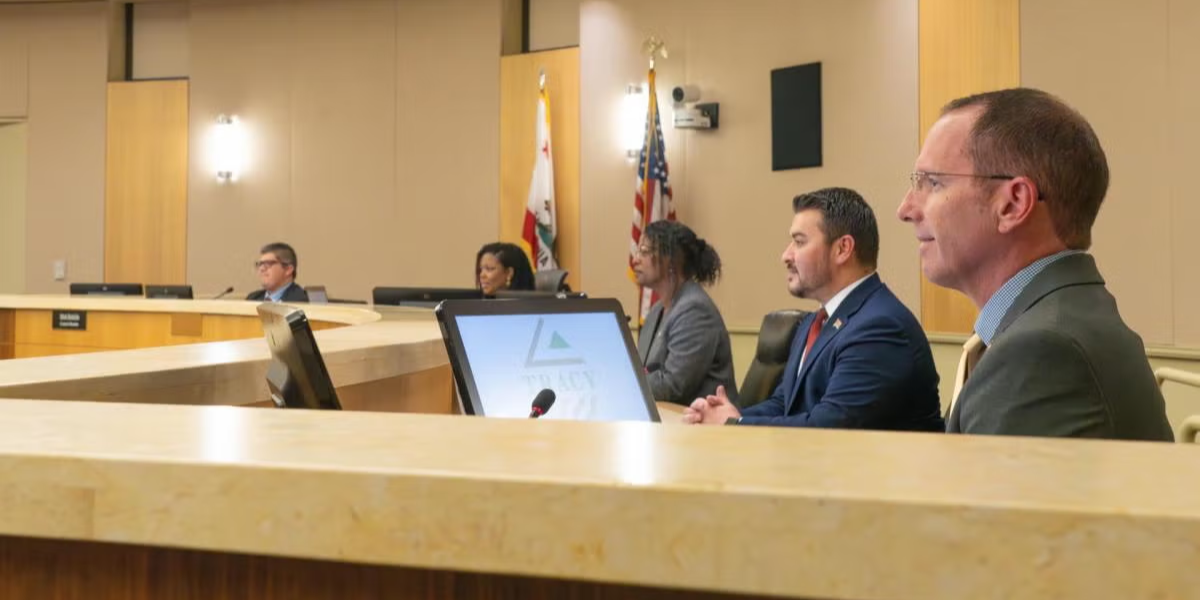
Meetings provide a formal setting for discussion and decision-making. Recording outcomes and sharing summaries allows residents to understand what was agreed and why certain options were chosen over others.
Decisions Affecting Shared Spaces and Facilities
Many recent decisions relate to the management and care of shared spaces and local facilities. These may include maintenance priorities, access arrangements, or improvements aimed at ensuring safety and usability. Decisions in this area often reflect a balance between preserving the character of the parish and meeting practical needs.
While changes to shared spaces are generally intended to bring long-term benefits, they may involve temporary disruption. Clear updates help residents understand the purpose of decisions and the outcomes they are expected to deliver.
Planning-Related Decisions and Responses
Planning matters are among the most closely followed local decisions. Although final planning decisions are often made by district authorities, the parish council plays an important role in reviewing applications and submitting local views. Recent council decisions may include responses to consultations or formal comments on proposed developments.
By sharing information about these decisions, residents gain insight into how local knowledge and community concerns are represented. Transparency around planning-related decisions helps residents understand the parish council’s role within the wider planning framework.
Financial Decisions and Use of Resources
Financial decisions are a key part of parish governance. Recent decisions may involve setting priorities for spending, approving budgets, or allocating funds for specific activities or maintenance. Responsible financial management ensures that parish resources are used effectively and in a way that benefits the community.
Explaining financial decisions helps residents understand how funds are managed and why certain projects are prioritised. Transparency in this area supports accountability and builds trust in how local resources are handled.
Responding to Resident Concerns
Some council decisions are made in direct response to concerns raised by residents. Issues related to access, safety, or environmental matters often prompt discussion and action. Decisions in these cases aim to address concerns while considering feasibility, available resources, and wider implications.
Even when immediate solutions are not possible, decisions may involve next steps such as seeking further information or raising matters with relevant authorities. Keeping residents informed about these outcomes helps manage expectations and demonstrates responsiveness.
Working With External Authorities
Many decisions affecting the parish involve coordination with external organisations such as district or county councils. Recent council decisions may include agreeing how to respond to external proposals or determining the best way to represent parish interests in wider discussions.
Understanding these relationships helps residents see why some decisions take time or involve multiple stages. Clear communication about external involvement reduces uncertainty and supports informed community discussion.
Considering Long-Term Impact
While some decisions address immediate needs, others are made with long-term impact in mind. Councillors consider how decisions made today may affect the parish in the future, including environmental sustainability, financial stability, and community wellbeing.
Sharing this long-term perspective helps residents understand how individual decisions fit into a broader vision for the parish. It also reinforces the importance of careful and measured decision-making.
Keeping Residents Informed
Regular updates on recent council decisions help residents stay aware of what is happening locally. Clear summaries, written in plain language, ensure that information is accessible and easy to understand. Knowing where to find reliable updates allows residents to remain informed without needing to attend every meeting.
Informed residents are better equipped to engage with parish matters and participate when opportunities arise.
Encouraging Constructive Engagement
Understanding recent decisions also supports constructive engagement. When residents are aware of what has been decided and why, discussions are more informed and productive. This shared understanding helps strengthen the relationship between the parish council and the community.
Looking Ahead
Recent council decisions reflect the ongoing work of managing local matters responsibly and transparently. As new issues arise and priorities evolve, continued communication will remain essential.
By staying informed about local decisions, residents can feel confident about how their parish is governed and how their community interests are represented. Through openness, clarity, and engagement, local decision-making can continue to support a positive and well-managed parish for the future.