Understanding Change at Community Level
Community life is not static. It evolves gradually in response to new needs, changing circumstances, and wider influences beyond the parish itself. Changes and developments within the community can affect everyday routines, shared spaces, and how residents interact with one another. Understanding these changes helps residents feel informed and better prepared to adapt as parish life continues to develop.
Community-level change is often shaped by practical considerations rather than dramatic shifts. Small adjustments over time can have a meaningful impact on how the parish functions and how residents experience daily life.
Changes to Local Services and Facilities
Developments affecting local services and facilities are among the most noticeable changes for residents. Adjustments to service schedules, maintenance programme, or access to shared spaces can influence daily routines. These changes may arise from operational reviews, resource availability, or coordination with external authorities.
Keeping residents informed about service-related changes helps reduce uncertainty and inconvenience. Clear communication allows people to plan ahead and understand why certain adjustments are necessary, even when changes are temporary.
Developments in Shared Spaces
Shared spaces such as paths, green areas, meeting points, and community facilities play an important role in parish life. Developments in these areas may include improvements, repairs, or changes in how spaces are used. These developments aim to ensure safety, accessibility, and long-term sustainability.
While improvements are generally welcomed, they may involve short-term disruption. Providing information about the purpose and expected outcomes of such developments helps residents understand the long-term benefits and remain supportive during periods of change.
Environmental and Sustainability Considerations
Environmental awareness increasingly influences community developments. Changes related to waste management, conservation efforts, or protection of natural features reflect a growing focus on sustainability. These developments aim to balance everyday needs with the responsibility to protect the local environment.
Environmental changes often involve adjustments in behaviour or practice. Clear explanation helps residents understand the reasons behind these developments and how individual actions contribute to wider environmental goals within the parish.
Responding to Community Needs and Feedback
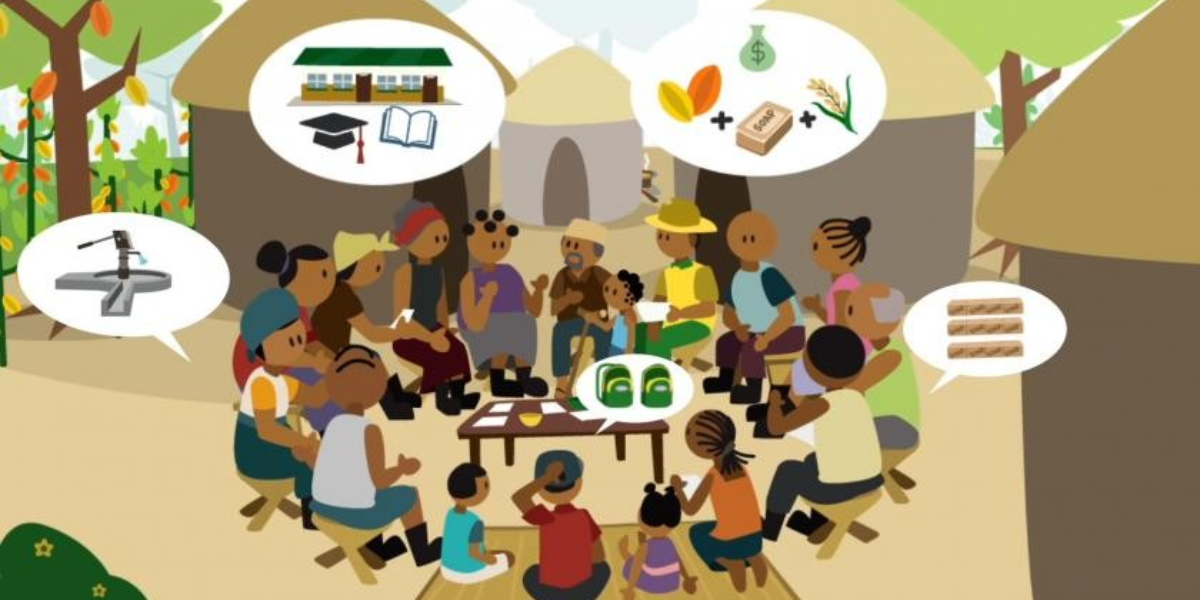
Many changes within the community arise from feedback shared by residents. Concerns raised through meetings, correspondence, or informal discussion help identify areas where improvements or adjustments are needed. Community developments shaped by resident input are more likely to reflect real needs and priorities.
Although not every concern can be addressed immediately, acknowledging feedback and explaining next steps supports trust. Residents are more likely to feel confident about changes when they understand how their views have been considered.
Adapting to Wider Influences
Some community developments are influenced by wider changes beyond the parish, such as policy updates, funding arrangements, or regional planning decisions. These external factors can affect how quickly changes occur and what options are available at local level.
Understanding these wider influences helps residents see the broader context in which community changes take place. This awareness reduces frustration and supports informed discussion about what can realistically be achieved.
Managing Change at a Measured Pace
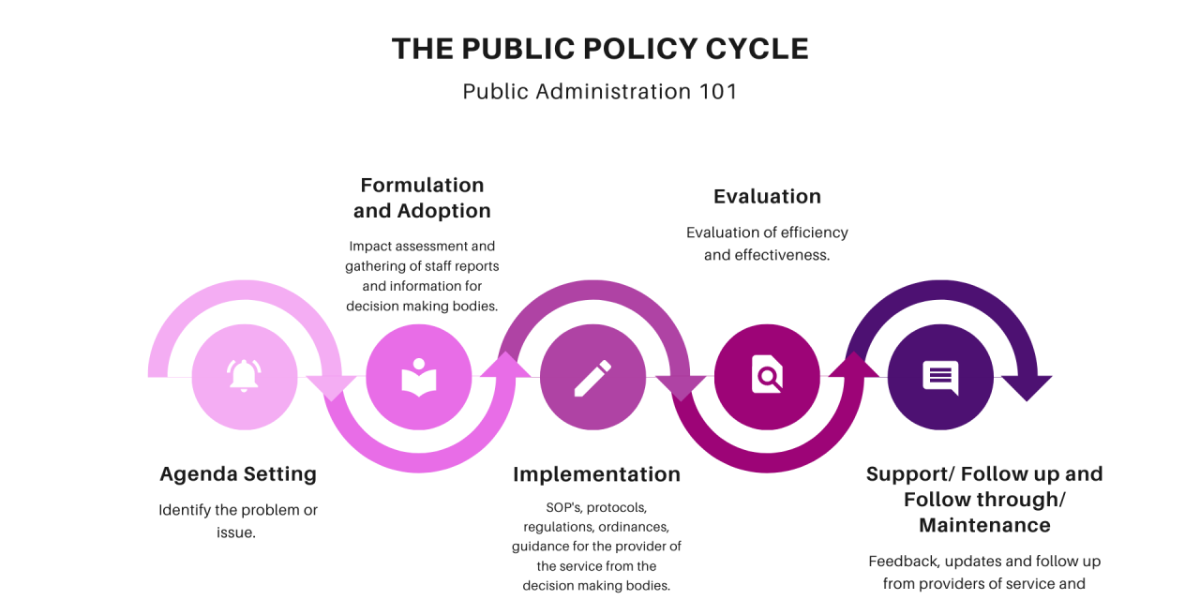
Change within a parish often requires careful planning and a measured approach. Financial constraints, consultation processes, and regulatory requirements can all influence timelines. While progress may sometimes appear slow, this careful pace helps ensure that developments are appropriate, affordable, and sustainable.
Explaining timescales and limitations helps manage expectations. When residents understand why change takes time, they are more likely to remain patient and supportive.
Maintaining Community Character
One of the key considerations in managing change is preserving the character of the parish. Developments are approached with sensitivity to the identity and values of the community. Balancing improvement with preservation ensures that change enhances rather than undermines what residents value most.
Maintaining character does not mean resisting all change, but ensuring that developments respect the parish’s unique qualities while meeting practical needs.
Communication and Community Awareness
Clear communication plays a central role in helping residents understand community changes. Regular updates provide information on what is changing, why it is happening, and what residents can expect next. Awareness supports confidence and reduces uncertainty during periods of development.
When communication is consistent and accessible, residents feel more connected to the process of change rather than affected by it unexpectedly.
Looking Ahead for Parish Life
Community changes and developments will continue to shape everyday parish life. By staying informed and engaged, residents can better understand how these changes support the wellbeing of the community as a whole.
Through open communication, thoughtful planning, and shared understanding, community developments can enhance parish life while respecting its character. Together, residents and the parish can navigate change in a way that supports a positive, connected, and resilient community for the future.